Bad Skin Day
Billion Dollar Idea: The Yes Madam Story

This Week's Highlights
5 Top Manufacturing Startups To Watch

How Flo Mobility Is Bringing AI-Powered Robots to India's Construction Sites
Bad Skin Day Billion Dollar Idea: The Yes Madam Story

How Frostreats Turned A Simple Idea Into ₹14 Crore Business
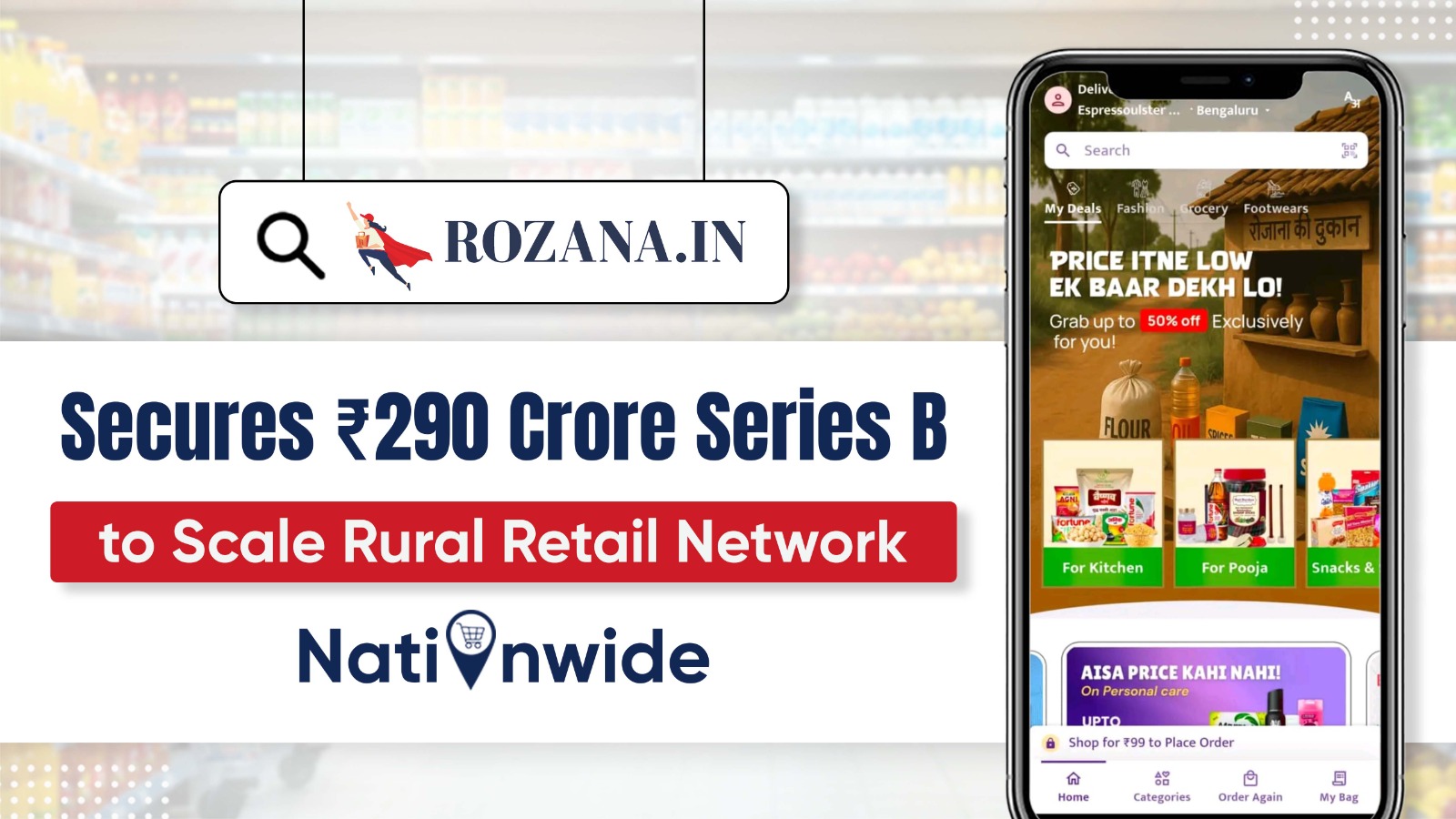
Secures ₹290 Crore Series B To Scale Rural Retail Network

How Pilgrim Achieved 24x Growth In The Beauty Industry?
India’s gig economy is growing rapidly, but stability remains a major concern for workers, especially in service categories built on trust. In the at-home salon services market, professionals often face unpredictable demand, high platform commissions, inconsistent training standards, and safety risks while working in unfamiliar homes.
This is the gap Yes Madam is trying to address.
Founded by Mayank Arya and Aditya Arya, and later joined by Akanksha Vishnoi, the platform was born after the founders personally experienced the flaws of the home salon ecosystem. When their spouses suffered severe skin irritation after an at-home beauty service, they realised the industry lacked proper hygiene standards, product transparency, and accountability.
Their goal was simple but ambitious — build a platform that does not just enable gig work but helps professionals build sustainable and rewarding careers.
Flipping the Commission Model
Unlike many gig platforms that rely heavily on commissions, Yes Madam introduced a performance-driven system where top professionals can enter a 0% commission bracket, allowing them to keep the entire service fee.
Partners are evaluated on key performance metrics and placed in a structured growth ladder called the GDPTQ framework — Gold, Diamond, Platinum, Titanium, and Queen. As professionals move up the ladder, commissions decrease while earnings increase.
According to the company, the platform’s service professionals earn an average monthly income of around ₹50,000, with top performers crossing ₹1 lakh per month.
Instead of relying solely on commissions, Yes Madam generates revenue through product margins and platform fees. The company supplies single-use mono-dose kits for services such as facials and cleanups, ensuring hygiene while earning margins on each product used.
Creating Stability for Service Professionals
Nearly 95% of Yes Madam’s partners are women, many of whom previously worked in traditional salons with limited income and no flexibility.
To improve service quality and career progression, every partner undergoes a 15-day training programme covering hygiene standards, service SOPs, and certification through the Beauty & Wellness Sector Skill Council (BWSSC). The platform also offers training in advanced services such as makeup and specialised beauty treatments, helping professionals increase their earning potential.
Partners can choose their working hours and access on-demand payouts, allowing them to withdraw their earnings anytime instead of waiting for fixed payment cycles.
Prioritising Safety and Trust
Since professionals work inside customers’ homes, safety remains a critical concern.
Yes Madam has integrated safety mechanisms directly into its platform. Every booking is linked to verified customer profiles and GPS-tagged addresses, ensuring accountability. Professionals are advised not to enter a home unless another woman is present and are free to exit immediately if they feel unsafe.
The app also includes a one-tap SOS feature connecting partners to a dedicated safety team. Strict customer conduct policies further ensure that any misconduct is addressed quickly.
For customers, transparency is built through verified professional profiles, reviews, and clear pricing, ensuring there are no surprises during the service.
Redefining the Home Salon Ecosystem
India’s $1.2 billion at-home salon market is expected to double by 2033, but long-term growth will depend on building a reliable and professional workforce.
Yes Madam believes that the key to scaling the category lies in improving the economics for service professionals. By reducing commissions, improving training standards, and introducing safety systems, the company aims to create a more stable ecosystem for both professionals and customers.
Looking ahead, the startup plans to build local hub-and-spoke networks to reduce travel time for partners and improve service efficiency.
Vyapaarवाणी Takeaway : Building Platforms That Empower Workers
Yes Madam’s journey highlights a critical shift in the gig economy — platforms can no longer focus only on scale and customer convenience. Long-term success will depend on how well they support the workforce powering their services.
By redesigning the commission structure, training systems, and safety framework, Yes Madam is attempting to bring structure and sustainability to a fragmented industry.
If successful, its model could become a blueprint for how gig platforms balance growth with worker empowerment.
Connect With Us
For Any Inquiries Or Assistance, Please Feel Free To Reach Out. Our Team Is Here To Support You And Will Respond At The Earliest Convenience